
How Long Does a Pre-Purchase Inspection Take?
Most used-car inspections take about one to two hours on site. See what happens during the visit and what can change the timeline.
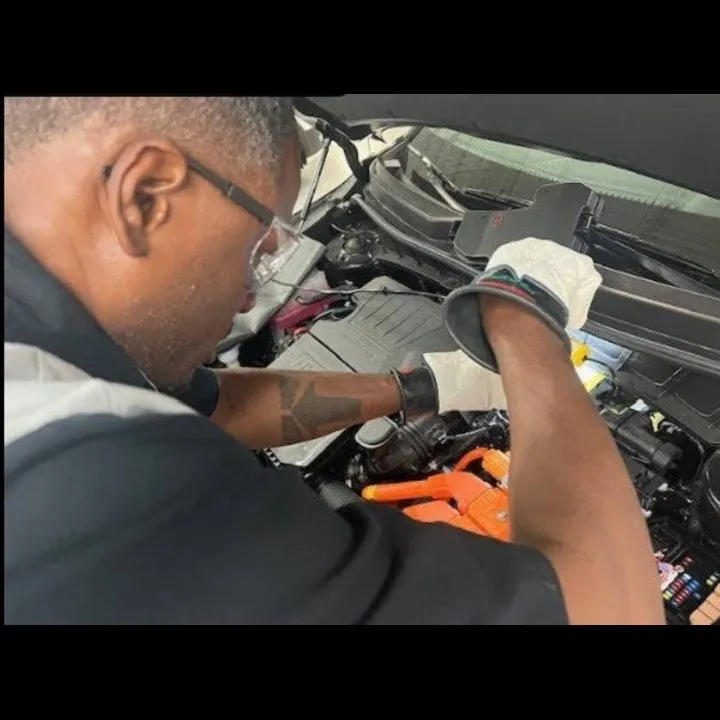
A pre-purchase inspection for a typical used car usually takes about one to two hours on site. The full timeline also includes getting seller access, looking over the vehicle, checking what can be tested safely, and reviewing the findings before you decide to buy. A vehicle with limited access, obvious damage, warning lights, or a long list of concerns can take longer because each finding needs a closer look.
The important part is not watching a clock. A useful inspection follows the vehicle from its first visible condition through the systems that affect a purchase decision. For a Dallas-Fort Worth buyer, that means arranging the visit while the seller can still make the car and keys available, then leaving enough room to negotiate, request repairs, or walk away before payment and title transfer make the deal harder to change.
Plan for one to two hours at the vehicle
Allow time for a condition walk-around, under-hood checks, tires and brakes, warning lights, electrical features, and test-drive impressions when the seller, location, and vehicle condition allow them.
The timing starts before the technician arrives
The appointment moves faster when the buyer has the vehicle year, make, model, seller location, listing details, and any concerns ready before booking. A seller who knows an inspection is part of the purchase process can make sure the vehicle is accessible, the keys are available, and the visit is not squeezed into a rushed handoff. That preparation does not shorten the actual condition check, but it prevents the avoidable delays that eat into a sale deadline.
Seller access is the first practical limit. A vehicle behind a dealership gate, in a crowded apartment lot, in a garage with no working room, or parked somewhere unsafe may need a different appointment time or location. A mobile inspection works best when there is safe access around the vehicle and the buyer still has time to use the findings before committing.
Bring the listing and any records the seller is willing to share. The inspection looks at the vehicle's current visible and testable condition. The listing, maintenance records, title details, and vehicle-history information provide context, but they do not replace looking at the actual car in front of you.
A complete visit follows the vehicle in a useful order
A good pre-purchase inspection is methodical. The technician begins with the vehicle's overall condition and obvious signs that deserve attention before moving through the systems that can change the purchase decision. That order helps connect a visible concern, such as uneven tire wear, a warning light, a leak, or a poorly fitted body panel, to the mechanical and safety areas that may need closer inspection.
The exterior walk-around can include body condition, glass, lights, tires, wheels, panel condition, and visible signs of prior damage or repair. Under the hood, the visit can cover fluid condition, leaks, battery and charging signs, belts, hoses, obvious wiring concerns, and dashboard warnings. Brake, steering, suspension, and underbody observations depend on safe access and what can be seen at the location.
Interior controls and electrical features matter because a used car can look clean while hiding a warning light, an inoperative window, a climate-control problem, or a battery and charging concern. If the seller, location, and vehicle condition allow a test drive, starting behavior, idle quality, brake feel, steering response, vibration, noises, and transmission behavior can add another layer to the condition picture.
Some conditions need more time because they change the decision
A straightforward vehicle with clear access may move through the inspection efficiently. A car with warning lights, a fluid leak, unusual noises, uneven tire wear, poor starting behavior, a recent jump-start, or evidence of body repair needs more attention because the finding may change what the buyer should ask or whether the price still makes sense. The goal is to document what can be checked, not to rush through a concern because the appointment has reached an arbitrary minute mark.
Vehicle design also affects the visit. A compact sedan, pickup, SUV, hybrid, or older vehicle can place components in different locations and show different access limits. A car that needs a lift, extensive disassembly, or specialized equipment for a deeper fault may require a repair-shop evaluation after the initial inspection. That is not a failed visit. It gives the buyer a clearer picture before buying a vehicle with an unresolved condition.
Location matters just as much. Level ground, room around the car, working keys, and safe access help the technician evaluate the vehicle properly. A steep driveway, crowded roadside, poor lighting, locked garage, or seller who cannot allow a test drive can limit what is practical at the visit. Those limits should be part of the purchase decision, not hidden behind a quick check.
A seller-location inspection still needs clear access
A mobile inspection can be useful because the car stays where the seller has it parked. That makes it easier to see the vehicle in the condition the buyer is considering, including a cold start when the appointment timing allows it. The technician can compare visible body condition, tire wear, leaks, under-hood condition, dashboard warnings, and interior operation without relying on a seller's memory of how the car behaved earlier in the day.
Some parts of a vehicle are easier to assess with a lift, a controlled shop bay, or more time than a sale appointment allows. The underside, suspension, brake lines, exhaust, and structural areas may be visible only to the degree that safe access permits. A test drive can also be limited by insurance, dealer rules, traffic conditions, the seller's permission, or a vehicle that is not safe to drive. A useful report separates what was seen from what could not be checked at that location.
That clarity helps avoid a common mistake: treating an inspection as a promise that every hidden component has been tested. The buyer is getting a grounded condition review of the car as it can safely be observed, plus a clear indication when a finding needs a more involved evaluation. If the vehicle needs lift access or further diagnosis before it is a sensible purchase, that is valuable information to have before the deal closes.
Use the appointment window to protect your options
Leave room between the inspection and the seller's deadline. A buyer who books the visit for the final hour before a wire transfer, title signing, auction close, or out-of-town pickup may have no practical time to read the findings, ask a follow-up question, or change the offer. The inspection is most useful when the buyer can slow down long enough to compare the vehicle's condition with the deal on the table.
That does not mean every concern ends the purchase. A worn tire, minor leak, warning light, body repair, or maintenance item can mean different things at different asking prices. The useful outcome is a specific condition conversation. Instead of deciding from photos and a short drive alone, the buyer can decide what is acceptable, what should change in the price, and what needs a repair-shop opinion before ownership changes hands.
Give the findings time to influence the purchase
Book the inspection before a deposit, payment, title transfer, or delivery deadline removes your ability to use the condition information. The report matters most while you can still make a decision.
The inspection and the buying decision are different steps
The on-site visit ends when the visible and testable checks are complete, but the buyer's work continues. Compare the findings with the seller's description, listed price, records, and your own test drive. A green, yellow, or red condition summary can help put the concerns in order, but it does not force one answer for every buyer. Normal wear may be reasonable at one price and a reason to renegotiate at another.
A pre-purchase inspection cannot guarantee that a used vehicle will never need repairs. It is a current-condition check, not a warranty. It can identify visible, testable, and obvious risk, then help you ask a specific question instead of relying on a vague feeling about the car. The decision may be to buy with clearer expectations, ask the seller to address an issue, revisit the price, or pass on the vehicle.
That distinction is why an inspection can still be worthwhile for a lower-priced car. The purchase price may be smaller, but a battery, brake, steering, suspension, fluid leak, electrical, or starting problem can still quickly change the real cost of ownership. The guide to whether a pre-purchase inspection is worth arranging explains how to use that information before you make the commitment.
A rushed inspection can leave the buyer with the same uncertainty
A quick walk-around can be helpful, but it is not the same as giving the vehicle enough attention to connect the visible details. Tires, brakes, fluids, battery condition, warning lights, controls, leaks, and the way the car starts or drives can each point to a different question. Skipping from one concern to the next without a sequence makes it easier to miss the relationship between them.
Time alone does not make an inspection thorough, and a longer appointment does not automatically mean a worse vehicle. The useful measure is whether the visit produced a clear account of what was checked, what was found, what could not be checked safely, and what that means before the sale. Buyers should treat an unexplained limit as part of the decision, especially when it involves access under the vehicle, a warning light, an unusual noise, or a condition that appears only during a test drive.
Schedule the visit while the seller can still cooperate
The best time is before the sale is final, not after payment, title transfer, or delivery. Tell the seller you want a pre-purchase inspection, confirm that the vehicle will be available with the keys, and arrange a safe location where the technician can see the car properly. A seller who cannot allow access before the deal closes gives you information about the transaction even before the inspection begins.
Rise High offers pre-purchase inspections across Dallas-Fort Worth starting at $150. The vehicle can be inspected at a seller-approved home, dealership, office, apartment, or other safe location. Have the vehicle details and seller location ready, then use the condition summary to decide whether the purchase still works for you.
If you are comparing where the work happens, this overview of mobile mechanic service explains when an on-site visit makes sense and when a full repair shop may be the better setting. The right appointment is the one that gives you usable facts before you become the owner.
Frequently asked questions
Can a pre-purchase inspection be done the same day?
It can be possible when the vehicle, seller, and technician schedules line up, but timing depends on access to the vehicle and the availability of a safe appointment window. Give the seller location and vehicle details as early as possible so the visit can be planned around the purchase timeline.
Do I need to be there during the inspection?
You do not need to stand beside the vehicle for every check, but you should stay available to receive the findings and decide what they mean for your purchase. If the seller allows access and the location is safe, the inspection can take place where the vehicle is parked.
What should I have ready before booking?
Have the vehicle year, make, model, seller location, listing details, and any concerns from your test drive ready. The seller should make the vehicle, keys, and a safe work area available before the visit begins.
Related posts
Are Pre-Purchase Inspections Worth It?
A pre-purchase inspection can help you make a used-car decision with clearer facts. See when it is worth arranging before you buy.
How Much Does a Mobile Mechanic Cost?
How much does a mobile mechanic cost in Dallas-Fort Worth? Rise High charges $150 for diagnostics and a $50 booking and travel fee for confirmed repairs, plus parts and labor.
What Is a Mobile Mechanic?
A mobile mechanic comes to your home, work, or apartment for on-site diagnostics and repairs. Learn what they can fix and when a shop is better.