Are Pre-Purchase Inspections Worth It?
A pre-purchase inspection can help you make a used-car decision with clearer facts. See when it is worth arranging before you buy.
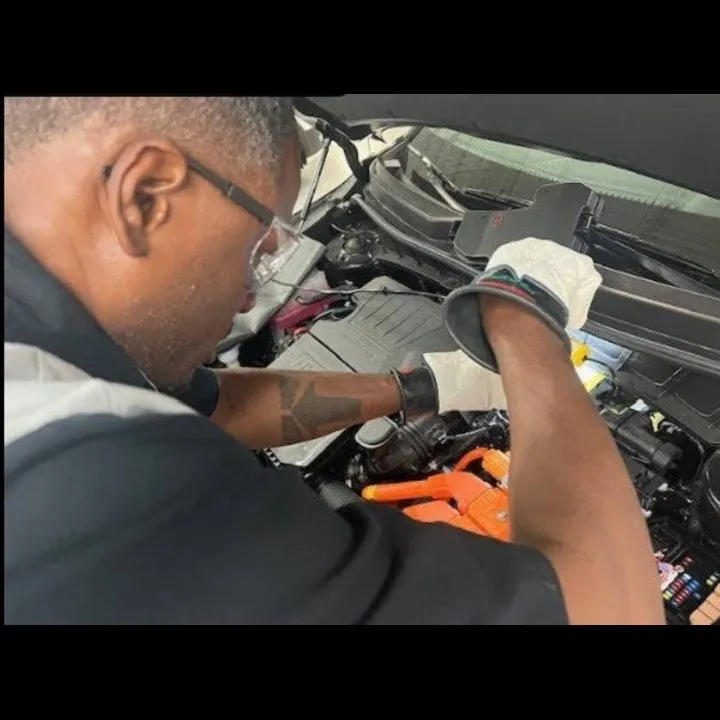
Yes, a pre-purchase inspection is usually worth it when you are considering a used vehicle and do not already know its true condition. It gives you a mechanic's view before the purchase becomes your repair bill. The value is not a promise that the car is perfect. It is a clearer basis to buy, negotiate, ask for repairs, or walk away.
A clean listing and a smooth test drive can be encouraging, but neither tells the whole story. An inspection can identify visible condition concerns, warning signs, leaks, worn components, safety issues, and obvious repair risk before money changes hands. That is especially useful when the sale is moving quickly or the vehicle is unfamiliar to you.
Key Takeaways for Used-Car Buyers
- An inspection is most useful when its findings could change the price, the seller conversation, or the decision to buy.
- It can identify visible, testable, and obvious risk, but it cannot guarantee that a used car will never need repairs.
- Schedule it before money changes hands, while you still have room to negotiate, request repairs, or walk away.
The short answer depends on the decision
An inspection earns its cost when the information could change what you pay, what you ask the seller to address, or whether you buy the vehicle at all. It is a decision tool, not a warranty or a substitute for your own judgment.
An inspection turns a first impression into a condition decision
Most used-car shoppers start with the same information: photos, an asking price, a seller's description, a vehicle-history report, and a test drive. Those are useful starting points, but they are not the same as having the vehicle looked over before the deal closes. An inspection adds a focused condition check to the purchase decision.
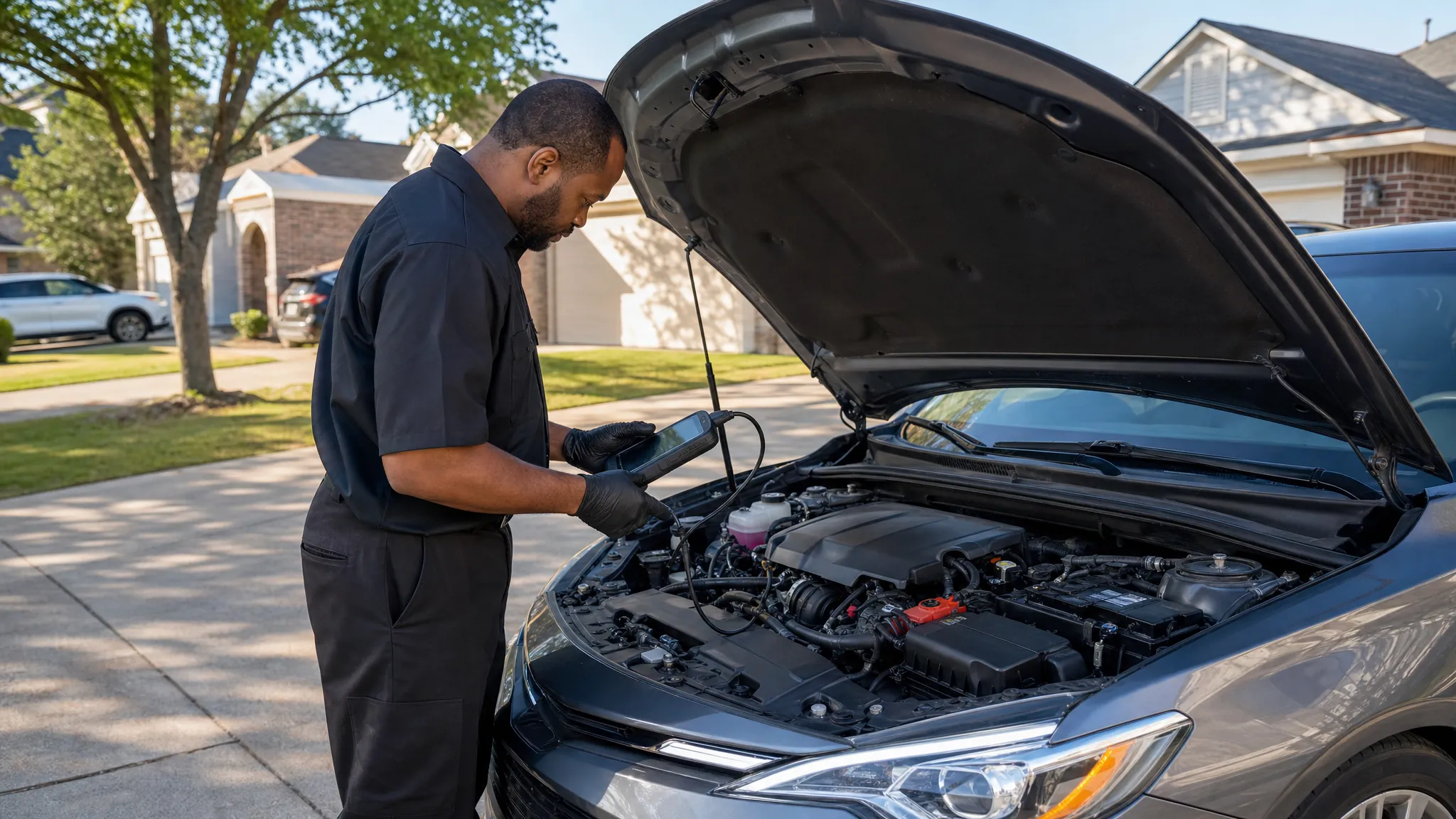
At Rise High, the inspection is built around the areas buyers need to understand before they commit: visible body and exterior condition, tires and wheels, brakes, steering and suspension, engine-bay condition, fluids and leaks, battery and charging signs, interior controls, dashboard warnings, electrical features, and test-drive impressions when the seller and location allow it. The result is a clear green, yellow, or red summary rather than a guess based on the listing.
Private-party sales make independent information more valuable
A private seller may know the vehicle well, but you still need to make a decision with your own information. There may be no return process after payment, and a short drive around the block may not expose a concern that is visible under the hood, around the wheels, or in the vehicle's warning signs.
This does not mean every private sale is a bad deal. It means the buyer has more to gain from slowing the transaction down long enough to check the vehicle. If the seller will allow access and the location is safe, an on-site inspection can take place where the car is parked. If the seller refuses any reasonable inspection before payment, that is useful information for the buyer too.
An inspection can still help when buying from a dealer
Buying from a dealer can offer more documentation, and a vehicle-history report can help you ask better questions. Neither changes the basic fact that you are deciding whether to buy one specific used vehicle in its current condition. A pre-purchase inspection gives you a separate view of what can be seen and tested at the visit.
Use the information together. Review the listing, service records, title and history details the seller provides, then compare them with what the vehicle shows during the inspection. A mismatch does not automatically end the deal, but it gives you a reason to ask for a clear explanation before you sign anything.
The inspection can support three different next steps
Buy with clearer expectations: A vehicle can still be the right purchase when the inspection finds normal wear or maintenance items that fit the price and your plans. The point is to know what you are accepting, not to demand a flawless used car.
Negotiate using the condition summary: When the inspection identifies repair risk or deferred maintenance, you can ask the seller to address it, adjust the price, or give you time to consider the cost before the transaction closes. That makes the conversation more specific than saying the car simply feels risky.
Walk away before the purchase is final: Some findings may change the equation entirely. A buyer is allowed to pass on a vehicle that no longer feels like a sensible fit for the price, condition, or intended use.
What a pre-purchase inspection cannot tell you
An inspection is not a guarantee of future reliability. It cannot promise that a component will not fail later, expose every issue inside sealed parts, or replace records that were never provided. The vehicle can also behave differently after the sale because mileage, driving conditions, maintenance, and time continue to change it.
That limit is not a reason to skip the inspection. It is the reason to use it correctly. Treat the findings as a current-condition report that helps you decide what questions to ask and what risk you are prepared to take on. A good inspection makes the decision more informed. It does not turn a used car into a new one.
A cheap used car can still justify an inspection
An inspection is especially useful when you have less context for the vehicle. That can include an older car, a higher-mileage vehicle, one being bought from far away, or a car with limited records. It can also help when the purchase price is low enough to feel tempting but high enough that surprise repairs would stretch the budget.
The same is true when the vehicle is new to you in another way. A buyer may be comfortable with one make, model, or type of repair and less confident with another. The inspection is a chance to get a condition summary before you have to make decisions as the owner.
A test drive and inspection reveal different information
Your own test drive still matters. Notice how the vehicle starts, idles, shifts, brakes, steers, and responds to normal inputs. Pay attention to warning lights, unusual sounds, vibration, odors, and whether the seller's description matches what you see. Write down anything that seems different from the listing so it can be part of the conversation.
The inspection adds another layer. A technician can look at areas buyers often cannot evaluate from the driver's seat, then explain which findings are visible now and which questions should be resolved before you buy. When a test drive and inspection point in the same direction, you can move ahead with more confidence. When they do not, pause and get clarity.
Do not use an inspection as a promise of a perfect car
Use it to make a better purchase decision. The goal is to identify visible, testable, and obvious risk before money changes hands, then choose the next step that fits the vehicle and your budget.
Vehicle details make the inspection more useful
Before booking, have the vehicle year, make, model, VIN or license plate information, seller location, listing details, and any concerns from your test drive ready. Let the seller know you want the vehicle inspected before completing the purchase, then confirm that there is safe access to the car at the scheduled location.
Ask the seller to have the vehicle available with the keys, and bring any records they are willing to share. A safe home, dealership, office, apartment, or other accessible location can work when the seller allows access. If the location or vehicle condition does not allow a test drive, that should be part of the decision rather than something to ignore.
Records and inspection findings answer different questions
Bring the listing, service records, title and history details the seller provides to the appointment. Those documents can give useful context for the vehicle's past. The inspection focuses on its visible condition and obvious repair risk at the time you are deciding whether to buy.
Compare the two carefully. A record can explain what the seller says has been done, while the inspection can help you ask whether the vehicle's current condition matches the story. If a document, listing, or seller explanation does not line up with what you see, pause the purchase and ask for clarity before moving forward.
When the inspection cost is harder to justify
The value is lower when you already have reliable, current condition information from a mechanic you trust and the scope of that earlier inspection matches the vehicle you are buying. It can also be a different calculation for a vehicle you fully expect to repair yourself and price accordingly. Even then, decide deliberately rather than skipping the check because the sale feels urgent.
For most buyers, the better question is not whether every car needs the same inspection. It is whether a modest upfront check could change a purchase decision that would be expensive or difficult to reverse. When the answer is yes, the inspection is usually worth arranging.
The inspection works best before the sale is final
In Dallas-Fort Worth, Rise High offers pre-purchase inspections starting at $150. The inspection can take place at a home, dealership, office, apartment, or other safe location when the seller allows access. You receive a condition summary to help you decide whether to buy, negotiate, request repairs, or walk away.
Choose a time while you still have room to make the decision. The right next step is not always buying the vehicle. It is having enough information to decide without rushing.
A condition summary supports the next decision
Arrange the inspection before you hand over the money, then use the condition summary to make the next decision with clearer facts.
Frequently asked questions
Is a pre-purchase inspection worth it for a cheap used car?
Usually, yes. A lower purchase price does not make surprise repairs easier to absorb. The inspection can help you decide whether the vehicle's visible condition and repair risk still make sense for your budget before the sale is final.
Should I get an inspection when buying from a dealer?
An independent inspection can still be useful. A dealer's reconditioning process, vehicle-history report, or warranty information may help your decision, but they do not replace a mechanic's current-condition check before you buy. Compare the documents, listing, and inspection findings before the sale is final.
Does a pre-purchase inspection guarantee the car is reliable?
No. An inspection is a snapshot of visible, testable, and obvious risk at the time of the visit. It can help you make a more informed decision, but it cannot guarantee that a used vehicle has no hidden problem or future repair need.
Related posts
How Much Does a Mobile Mechanic Cost?
How much does a mobile mechanic cost in Dallas-Fort Worth? Rise High charges $150 for diagnostics and a $50 booking and travel fee for confirmed repairs, plus parts and labor.
What Is a Mobile Mechanic?
A mobile mechanic comes to your home, work, or apartment for on-site diagnostics and repairs. Learn what they can fix and when a shop is better.
Are Mobile Mechanics Cheaper Than a Repair Shop?
Are mobile mechanics cheaper? Compare towing, travel fees, diagnostics, and Dallas-Fort Worth mobile mechanic pricing before you book.