How Much Is It to Repair a Brake Line? What Changes the Cost
A brake-line repair price depends on the confirmed leak, access, corrosion, and the work needed to restore the system safely.

How much it is to repair a brake line depends on the confirmed problem and repair scope. The visible leak is not enough to price a specific vehicle safely. Access, corrosion, the number of affected lines, and the work needed to restore the hydraulic system can all change the estimate.
For a soft pedal, warning light, visible brake fluid, or a change in stopping behavior, the first goal is a safe diagnosis. A clear estimate should tell you what was found, which line or area is involved, what labor is included, and what could change once the work begins.
A symptom or photo can identify a question, not the work included in a safe repair. The vehicle's year, make, and model help frame the conversation about the line layout and access. A written diagnosis can make a repair request clearer, but it does not turn an uncertain leak into a confirmed scope. Ask where the concern was found and which completion checks are included. That information makes a price conversation more useful before work is approved.
A brake-line price needs a confirmed scope
The repair becomes easier to compare when the estimate names the affected line, the access required, the brake-system work included, and the conditions that could change the total. A written scope gives you a practical way to compare two answers to the same vehicle problem.
One brake line is not the same job on every vehicle
A brake line may run through an open area, behind a wheel, along the underbody, or through a spot that needs more disassembly to reach. That access changes labor. The material and fittings also have to suit the vehicle’s brake system, and an estimate may need to account for lines that show corrosion beyond the first visible leak.
The line itself is only one part of the bill. A complete quote may also include fluid, bleeding the hydraulic system, and inspection of related components. That is why a low number without a stated scope can be hard to compare with a more complete estimate.
Repair or replacement follows the inspection
A brake-line repair or replacement decision begins with finding the affected area and understanding its condition. A visible wet spot does not show every part of the line, fitting, hose, or brake-system work that may need attention. The estimate should explain whether the concern is limited to one confirmed section or whether corrosion, access, or a related component changes the scope. That gives you a useful answer to the repair-versus-replacement question without treating a symptom as a diagnosis.
If the condition is unknown, the safer next step is to have it assessed before approving a specific job. The goal is not to choose the cheapest label for the work. It is to understand the confirmed repair, what is included, and whether the vehicle and location are appropriate for a mobile visit.
Corrosion and multiple leaks can expand the repair
Rust or corrosion can make a single visible problem a larger decision. Once a technician can inspect the surrounding lines and fittings, they may find that the issue is isolated or that the system needs a broader repair. The condition of the vehicle, not the search phrase, determines which of those paths is appropriate.
Ask whether the estimate is for one confirmed line, a section of line, or a larger replacement. Also ask what the technician found nearby and whether the price includes the steps needed to restore proper brake operation after the line work. Those questions give you a basis for comparing quotes without asking anyone to guess from a photo or symptom.
Different estimate scopes create different prices
Two brake-line estimates can look far apart because they may not describe the same work. One can address a confirmed, accessible area. Another can account for difficult access, more than one affected line, related components, or the brake-system steps needed after the line work. The total only becomes meaningful when the scope is visible. Ask each provider to name what is confirmed, what is included, and what condition could change the job once work begins.
This is also why an online range cannot settle a vehicle-specific decision. A useful comparison starts with the same symptoms and vehicle details, then checks whether each estimate covers the same area and the same completion steps. When the scopes differ, the numbers should differ too.
A brake-line concern needs a safety decision before a price decision
A brake warning light, fluid leak, soft or sinking pedal, strong pull, grinding, or a noticeable change in stopping behavior is not a symptom to price-shop from the driver’s seat. It can point to a line or hose issue, but it can also involve other brake-system components. If the cause is unconfirmed, start with on-site diagnostics rather than approving a specific part replacement on a guess.
Rise High provides labor only, so a confirmed repair starts with the vehicle details, known repair, approved parts, and a safe place to work. For mobile-friendly brake work, the mobile brake repair service explains how the vehicle, repair scope, parts, and worksite determine whether an on-site visit is the right fit.
Do not use a cost guide as a diagnosis
A cost guide can help you ask better questions, but it cannot confirm what is leaking, how far corrosion has spread, whether a flexible hose is involved, or what it will take to restore safe brake operation. Use it to prepare for a conversation, then confirm the vehicle-specific scope before authorizing work.
When a repair shop is the better brake-line option
Some brake-line work needs a lift, extensive corrosion removal, more involved bleeding procedures, significant teardown, or an indoor repair environment. Those conditions can make a shop the safer choice, even when the vehicle is already parked at home or work.
Rise High is direct when a mobile visit is not the right fit. That protects drivers from booking a visit that cannot safely complete the work. The existing brake line repair guidance outlines the symptoms and service-fit questions to share before selecting a visit.
Questions to ask before approving brake-line work
Bring the symptom, vehicle details, and any previous diagnosis to the conversation. The following questions keep the focus on a confirmed repair and a complete scope, rather than a number that may not describe the work your vehicle needs.
- Which brake line, hose, or related component has been confirmed as the problem?
- Does the estimate cover one line, several lines, or a broader section of the system?
- What labor, fluid, bleeding, fittings, and inspection steps are included?
- What corrosion, access issue, or related brake condition could change the scope?
- Is the vehicle and location safe for a mobile repair, or does the work need a shop?
A diagnosis sets the right brake-service path
Call or text with the vehicle details, symptoms, and location. Rise High can help you choose diagnostics, a confirmed mobile-friendly repair visit, or a shop appointment.
Frequently asked questions
How much is it to repair a brake line?
There is no dependable one-number answer until the affected line or hose and the repair scope are confirmed. A quote can change with access, corrosion, the number of affected lines, fluid and bleeding work, and any related brake-system issue found during inspection. Compare written scopes of work, not a number given from a symptom alone.
Can a brake line be repaired instead of replaced?
That depends on the location and condition of the damaged line, the vehicle, and what the inspection finds. A leak or corrosion can involve more than the visible spot, so the useful question is which repair restores the braking system safely, not which option has the lowest starting number. The answer should follow a confirmed diagnosis and a stated scope of work.
Why can two brake-line estimates be so different?
The affected line, access, corrosion, vehicle design, and related brake work can change the scope. One estimate may cover a single accessible line, while another includes more difficult access, additional lines, bleeding, or brake components that also need attention. Compare the diagnosis and included work before comparing the total.
Should I drive with a suspected brake-line leak?
Do not assume it is safe. A soft or sinking pedal, visible fluid, a brake warning light, or a clear change in stopping behavior calls for prompt assessment. Share the symptom and vehicle location before deciding whether to move the vehicle.
Related posts
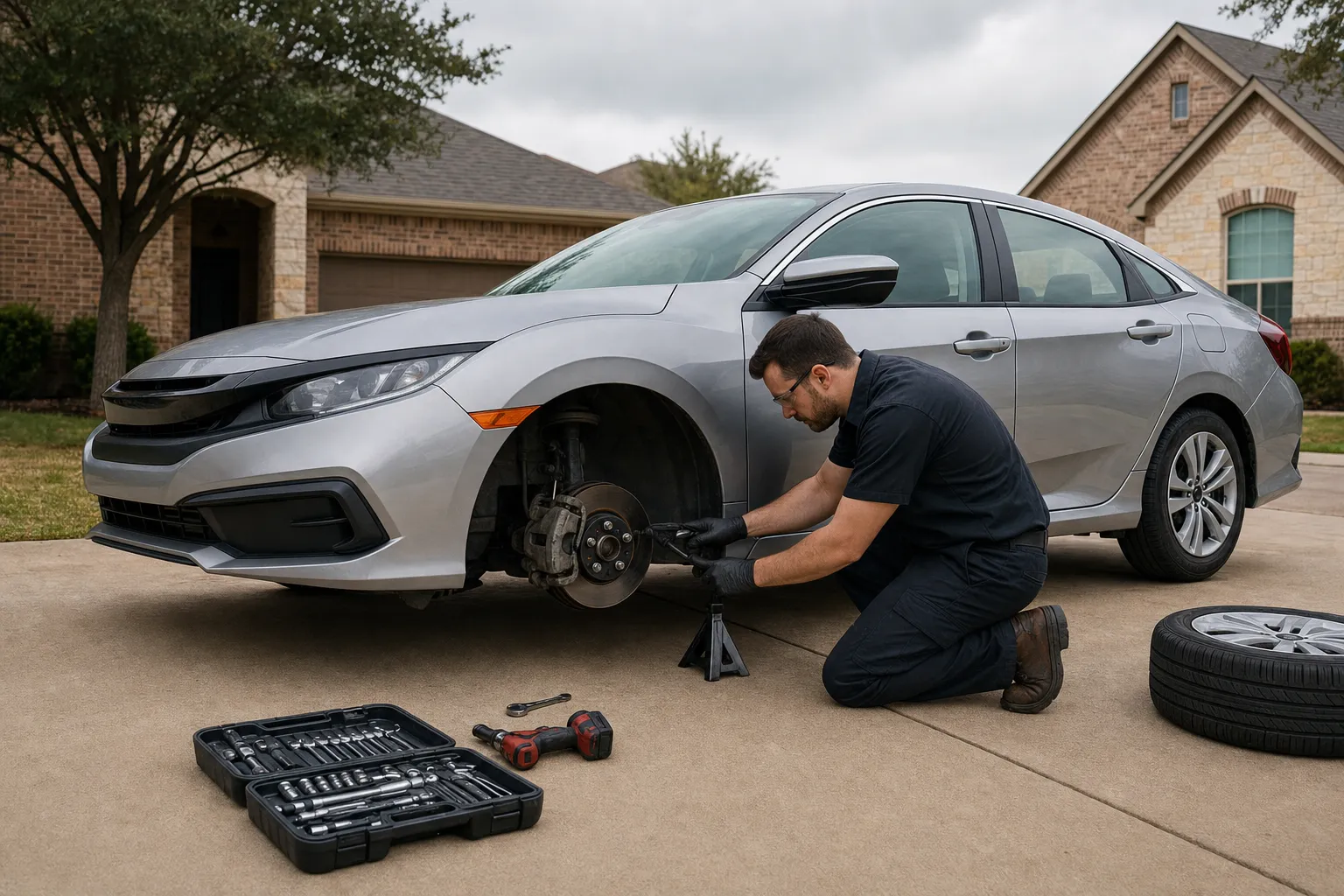
Brake Master Cylinder Repair: When to Book Diagnostics
A soft pedal, brake warning light, or fluid concern needs a clear diagnosis before any brake master cylinder repair is approved.
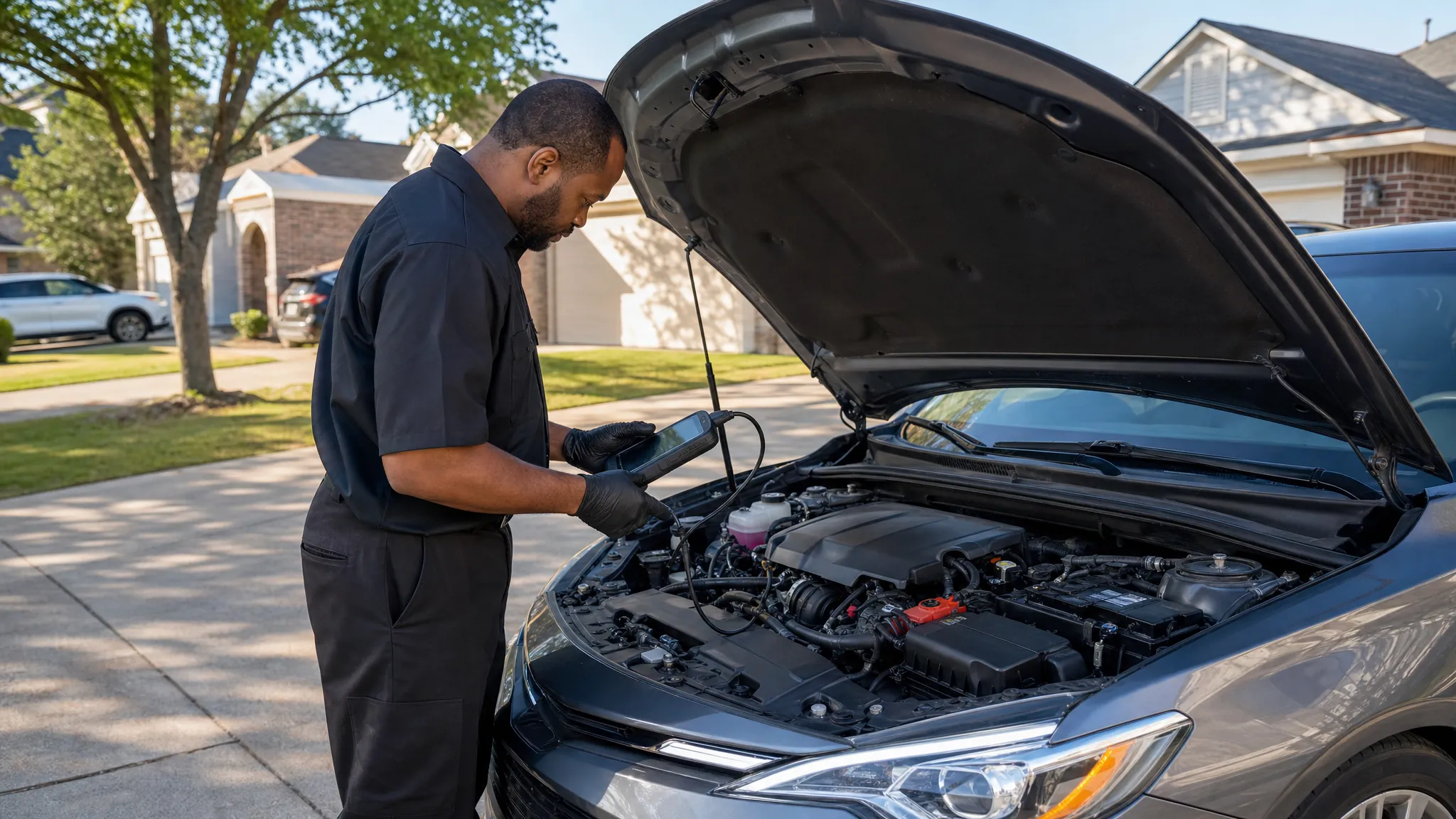
Are Mobile Mechanics Cheaper Than a Repair Shop?
Are mobile mechanics cheaper? Compare towing, travel fees, diagnostics, and Dallas-Fort Worth mobile mechanic pricing before you book.
Mobile Brake Repair: What Can Be Done at Home?
What mobile brake repair can cover, when diagnosis comes first, and when Dallas-Fort Worth drivers should choose a repair shop.