Brake Master Cylinder Repair: When to Book Diagnostics
A soft pedal, brake warning light, or fluid concern needs a clear diagnosis before any brake master cylinder repair is approved.
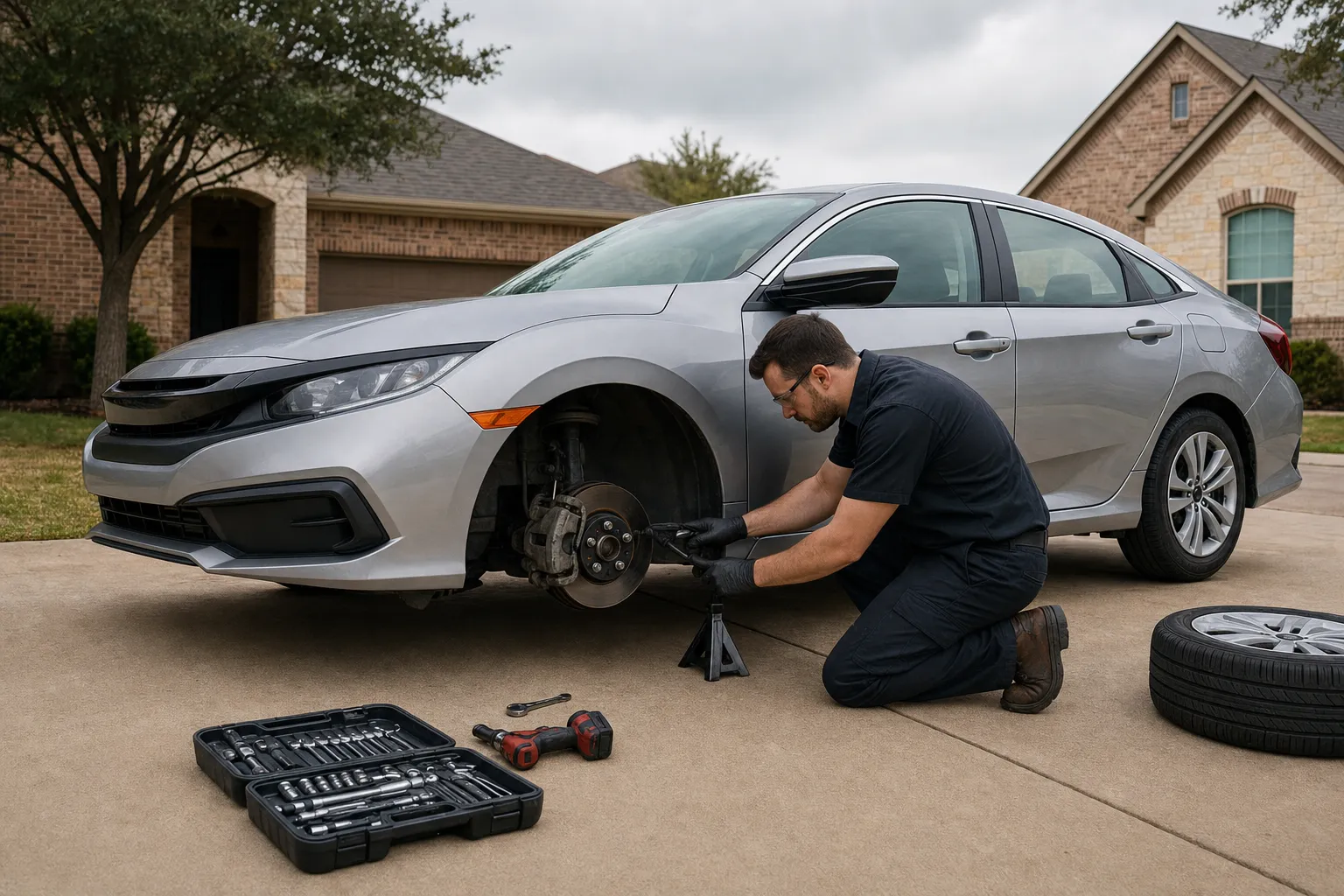
Brake master cylinder repair starts with diagnosis, not a repair kit or a parts guess. If the pedal feels soft, the brake warning light appears, brake fluid is leaking, or the vehicle is not stopping normally, treat that change seriously and arrange a brake inspection before deciding which part needs work.
A master cylinder concern can overlap with other brake-system problems. The right next step is to describe the symptom, keep the vehicle in a safe location, and have the system assessed. That protects you from approving a repair based on a single clue and gives you a clearer answer about whether mobile service or a full repair shop is the better fit.
Diagnostics protect the brake decision
Do not try to identify a brake master cylinder failure from pedal feel alone. Book diagnostics when brake behavior changes, then approve the repair that testing supports.
Brake symptoms need a diagnosis before a repair decision
Drivers often search for brake master cylinder repair after a pedal change, a dashboard warning, or a brake fluid concern. Those symptoms deserve attention, but they do not provide a reliable parts list on their own. The practical goal is to identify the source of the change before authorizing any repair.
Rise High approaches brake concerns by looking at what the vehicle is doing, the known brake condition, and whether the repair can be handled safely where the vehicle is parked. That is the same diagnostic-first approach used for brake noise, pulling, vibration, fluid concerns, and warning lights. A confirmed repair can move forward more directly. An unknown symptom needs a closer look first.
For a broader explanation of mobile-friendly brake work, see mobile brake repair at home or work. If the concern turns out to need equipment or access that belongs in a shop, the useful answer is a shop recommendation, not a rushed driveway repair.
A changed pedal is a safety concern
A soft or unusual pedal, warning light, fluid leak, pull, grinding, or clear change in stopping behavior calls for prompt assessment instead of repeated test drives or a guessed replacement part.
What to share when booking a brake diagnostic visit
The most useful information is what changed and when. Share whether the pedal feels different, whether a warning light appeared, whether you have noticed a leak, whether the vehicle pulls while stopping, and whether any brake work was done recently. Include the vehicle year, make, model, and where it is parked.
Location matters because the vehicle needs a safe work area. A level driveway or accessible parking space gives a technician room to inspect the vehicle and decide whether an on-site visit is appropriate. A busy shoulder, unstable ground, crowded garage, or location with unsafe access may make a shop or tow the better choice.
Do not disassemble brake components or open hydraulic lines in an effort to confirm the diagnosis. That can make a simple inspection more complicated and does not establish which repair is needed. The goal of the first conversation is to choose the right visit, not to turn a symptom into a conclusion.
When a mobile brake visit may be the right fit
Mobile service can be valuable when the vehicle is already parked and the concern can be inspected safely at that location. Rise High works with gasoline and hybrid passenger vehicles and handles many mobile-friendly brake concerns when the vehicle, repair scope, parts, and work area are a suitable fit.
A diagnosis can clarify whether the brake issue is contained enough for an on-site repair visit or whether it requires the setup of a repair shop. That distinction matters more than forcing a particular part replacement into the appointment. A technician should be able to explain the repair direction before the work expands.
For an unknown brake symptom, start with on-site diagnostics. If a previous inspection has already identified a mobile-friendly brake repair, the mobile brake repair service page explains what Rise High can assess for a repair visit.
When a repair shop is the better brake-service choice
A shop is often the better option when the vehicle needs a lift, extensive brake-line work, major rust removal, specialized bleeding equipment, or a controlled indoor work area. Those are not details to work around simply because the car is already parked at home or work.
The same is true when the worksite itself is unsafe. A proper brake repair needs safe access, stable ground, adequate room, and the equipment the job calls for. A direct answer about those limits can save a second appointment and prevent the vehicle from being worked on in the wrong setting.
Mobile service and a repair shop are not competing answers. The right choice is the one that lets the repair be diagnosed, approved, and completed safely. Drivers weighing those options can also read how mobile mechanic costs compare with a repair shop.
Written authorization defines the brake work
Before authorizing a repair, ask what was found, what work is proposed, and whether there are conditions that could change the scope. The Texas Attorney General says to get written authorization before a vehicle is towed, inspected, test driven, diagnosed, or disassembled for an estimate. That is a sensible step when a brake symptom has more than one possible cause.
For Rise High appointments, start with the service you need. A diagnostic visit is the right path when the cause is not confirmed. A repair visit is more direct when the needed work is already known and fits the vehicle and location. Clear approval keeps the conversation focused on the repair the vehicle actually needs.
- Note the pedal change, warning light, leak, pull, noise, or change in stopping behavior.
- Share the vehicle year, make, model, location, and any recent brake work.
- Choose diagnostics when the failed part has not been confirmed.
- Tell the technician about access, parking rules, slopes, or other worksite limits.
- Ask for a clear explanation before approving work beyond the diagnostic finding.
Rise High helps drivers choose the right brake-service path
Rise High Mobile Mechanics helps Dallas-Fort Worth drivers with mobile-friendly brake concerns, diagnostics, no-starts, battery and charging issues, electrical faults, and other on-site repairs for gasoline and hybrid passenger vehicles. The business does not use a symptom to promise a part replacement. It starts with what is known and identifies the right kind of visit.
If the vehicle has a changed pedal, warning light, leak, or stopping concern, contact Rise High with the vehicle details and location. A brake diagnostic visit can determine whether the next step is a mobile-friendly repair or a shop appointment.
Brake Diagnostics Identifies The Next Service Path
Call or text with the vehicle details, location, and brake symptoms. Rise High can help you choose diagnostics, a confirmed repair visit, or a shop appointment.
Frequently asked questions
Can a mobile mechanic inspect a possible master cylinder problem?
A mobile brake diagnostic visit can be a good starting point when the vehicle is safely parked and the concern needs to be identified. The technician can assess whether the next step is a mobile-friendly repair or a shop appointment.
Should I drive with a soft brake pedal or brake warning light?
Do not assume it is safe to drive. A major change in pedal feel, a brake warning light, a fluid leak, grinding, pulling, or changed stopping behavior should be assessed promptly before more driving. Keep the vehicle in a safe location while you arrange help.
Can I tell if the master cylinder is the failed part myself?
A symptom can point toward more than one part of the braking system. A diagnosis is the safer way to identify what needs attention before authorizing a repair, especially when pedal feel or stopping behavior has changed.
Related posts
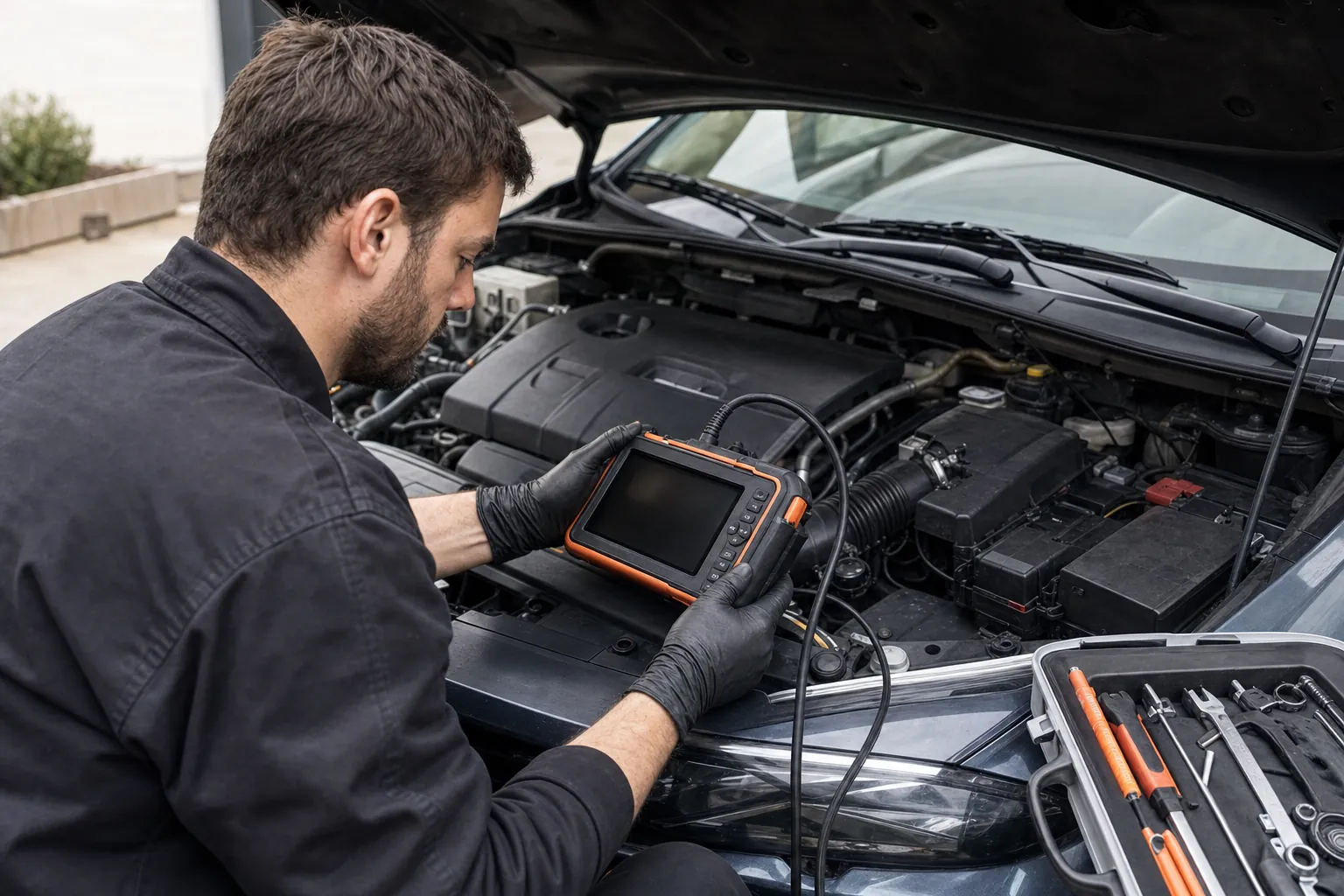
How Much Does a Mobile Mechanic Cost?
How much does a mobile mechanic cost in Dallas-Fort Worth? Rise High charges $150 for diagnostics and a $50 booking and travel fee for confirmed repairs, plus parts and labor.
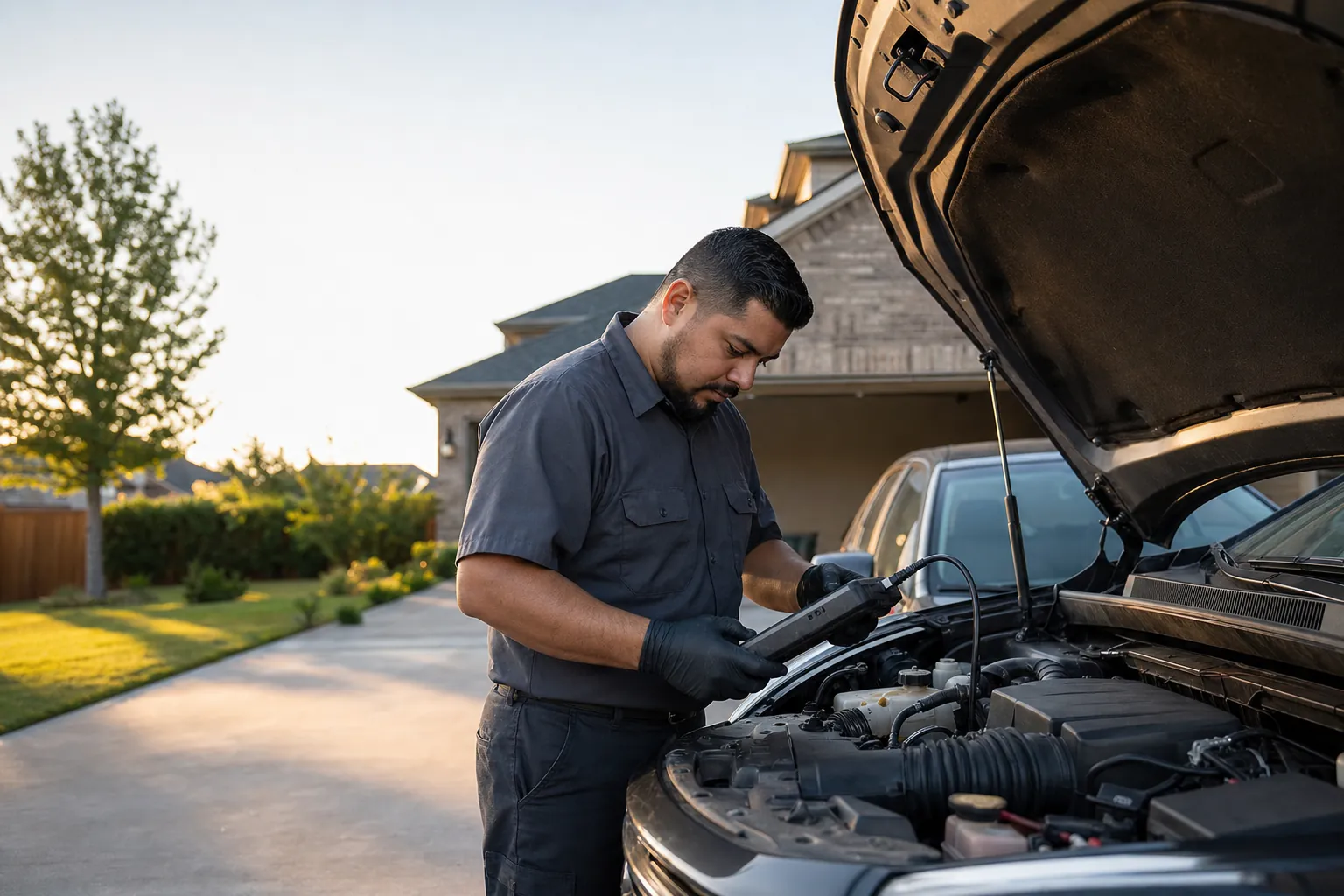
Are Mobile Mechanics Reliable? A Driver's Guide
How to choose a reliable mobile mechanic, what to ask before they arrive, and when a Dallas-Fort Worth repair shop is the safer choice.
Mobile Brake Repair: What Can Be Done at Home?
What mobile brake repair can cover, when diagnosis comes first, and when Dallas-Fort Worth drivers should choose a repair shop.